

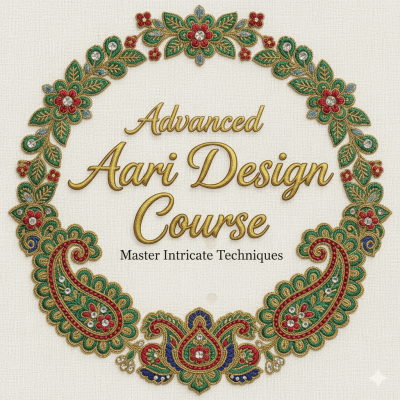
Advance Aari Designing

0 Ratings

3 Months

Advance Aari Designing

45 lessons
0 Students

£1,550.00

3 Months

Advance Aari Designing

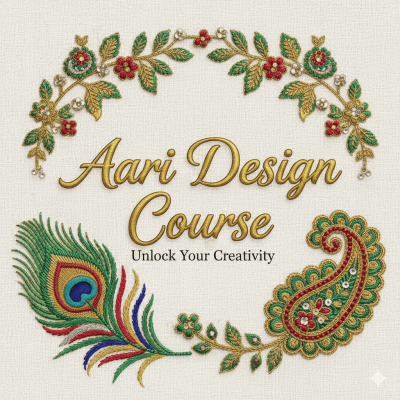
✨ Introduction to Aari Embroidery

Aari design is a sophisticated hand embroidery technique that originated in the Indian subcontinent, especially flourishing in Kashmir, Gujarat, and Rajasthan.

  • Tool: Aari Needle (hooked, crochet-like)

  • Base: Fabric stretched on a wooden Adda frame

  • Specialty: Fine chain stitches forming intricate patterns

    🌿 Historical Significance & Cultural Roots

    • Mughal Era (16th Century): Gained royal patronage.

    • Persian Influence: Floral vines, paisleys, and Mughal motifs.

    • Regional Styles: Adapted uniquely across India.

      🎨 Techniques & Professional Craftsmanship

      Advanced Aari work goes beyond the basics:

      • Shading with multiple thread colors

      • 3D floral embroidery techniques

      • Zardosi, beads, sequins, pearls, and stones embellishments

      • Intricate borders and bridal motifs

        👗 Contemporary Applications

        Today, Aari embroidery is a signature of luxury couture and bridal fashion.

        • Sarees, Lehengas, Blouses, Dupattas

        • Bridal Gowns & Indo-Western Outfits

        • Designer Couture & Boutique Collections

          🎯 Why Advanced Aari Training Matters

          This advanced course focuses on:
          ✅ Refining speed & precision
          ✅ Mastering complex motifs
          ✅ Designing custom embellishments
          ✅ Professional finishing for couture fashion
          ✅ Entrepreneurial skills to build your brand

View More

0 Ratings

45 lessons
0 Students
Basic Aari Design

0 Ratings

1 Months

Basic Aari Design

25 lessons
1 Students

£600.00

1 Months

Basic Aari Design

Aari design is a traditional form of intricate hand embroidery that originated in the Indian subcontinent, particularly flourishing in regions like Kashmir, Gujarat, and Rajasthan. The name comes from the specialized ‘Aari’ needle, a hooked needle resembling a crochet tool, used to create fine, chain-stitch embroidery patterns.

Origins and Cultural Roots

Aari embroidery traces back to the Mughal era (16th century), where it gained royal patronage and was prominently featured in the attire of nobility. It evolved as a refined art under the influence of Persian aesthetics, with floral and paisley motifs becoming signature elements. The Mughals introduced the technique to Indian artisans, who adapted it into local textile traditions.

Artisanal Craftsmanship

This embroidery technique involves stretching the fabric on a wooden frame (adda) and using the Aari needle to work from the top, looping thread through the fabric in fine, continuous chain stitches. The result is highly detailed and textured designs. Materials such as silk threads, zari (metallic thread), beads, sequins, and stones are often used.

Modern Evolution

Originally used to embellish royal garments, Aari embroidery is now popular in bridal wear, sarees, lehengas, and contemporary fashion. It continues to be an important part of handcrafted Indian fashion, especially in designer couture and traditional outfits.

In summary, Aari design is a centuries-old embroidery tradition that combines art, heritage, and skilled craftsmanship, making it a treasured element of India’s textile legacy.

View More

0 Ratings

25 lessons
1 Students
Maxi Design

0 Ratings

1 Week

Maxi Design

6 lessons
0 Students

£250.00

1 Week

Maxi Design

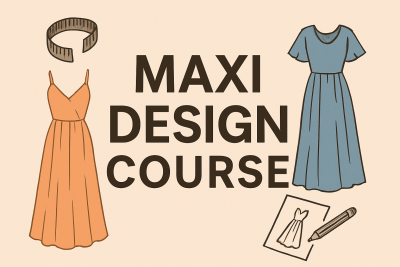
Maxi design refers to long, flowing garments that usually extend to the ankles or floor. The maxi dress is a popular example of this style, known for its elegance, comfort, and versatility. Originally inspired by bohemian and vintage fashion, maxi designs have evolved into a staple in both casual and formal wardrobes around the world.

Maxi designs come in a variety of styles, fabrics, and prints—ranging from simple cotton for everyday wear to richly embellished versions for weddings and special occasions. They can feature different cuts like A-line, empire waist, wrap, or layered styles, and may include details such as ruffles, pleats, or embroidery.

Loved for their graceful silhouette, maxi dresses and outfits are suitable for all body types and ages. Whether it’s a relaxed beach day, a festive gathering, or an evening party, maxi designs offer a perfect blend of modesty, fashion, and comfort.

View More

0 Ratings

6 lessons
0 Students
Tailoring Field

0 Ratings

2 Months

Tailoring Field

8 lessons
3 Students

£250.00

2 Months

Tailoring Field

Tailoring is the art and craft of designing, cutting, fitting, and finishing garments to suit individual measurements and preferences. Rooted in tradition and refined over centuries, tailoring blends precision, creativity, and technical skill to produce clothing that not only fits well but enhances personal style and comfort. From handcrafted suits to detailed alterations, the tailoring field plays a vital role in the fashion industry, focusing on quality, craftsmanship, and individuality in every piece of clothing.

View More
0 Ratings

8 lessons
3 Students
Salwar and Kurthi Designing

0 Ratings

2 weeks

Salwar and Kurthi Designing

10 lessons
2 Students

£300.00

2 weeks

Salwar and Kurthi Designing

Kurti and Salwar Kameez are traditional and widely worn garments in South Asia, especially in countries like India, Pakistan, and Bangladesh. Known for their comfort, elegance, and cultural significance, these outfits have evolved over the years to incorporate both traditional and modern fashion trends.

The Salwar Kameez is a three-piece ensemble consisting of a long tunic called the Kameez, loose or fitted pants known as the Salwar, and a scarf or shawl referred to as the Dupatta. This attire is popular among women for its modesty, grace, and versatility. It is worn in daily life, festive occasions, and formal settings.

On the other hand, the Kurti is a shorter version of the Kameez, usually paired with leggings, jeans, palazzos, or skirts. Kurtis are especially popular among young women and working professionals because of their fusion of traditional and contemporary styles.

Both the Salwar Kameez and Kurti are made in a variety of fabrics, patterns, and embellishments, making them suitable for different seasons and occasions. They not only reflect the rich textile heritage of South Asia but also continue to be a symbol of cultural identity and fashion innovation.

View More

0 Ratings

10 lessons
2 Students
Blouse Designing

0 Ratings

2weeks

Blouse Designing

9 lessons
0 Students

£300.00

2weeks

Blouse Designing

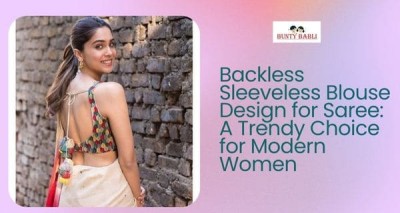
"A blouse is a versatile and essential garment in women's fashion, typically worn on the upper body. Known for its wide range of styles, fabrics, and designs, the blouse can be simple or ornate, casual or formal. In the tailoring field, blouse-making requires careful attention to detail, precision in measurements, and creativity in design to ensure a perfect fit and a flattering look. Whether paired with a saree, skirt, or trousers, a well-tailored blouse enhances both comfort and elegance."

View More

0 Ratings

9 lessons
0 Students
back top